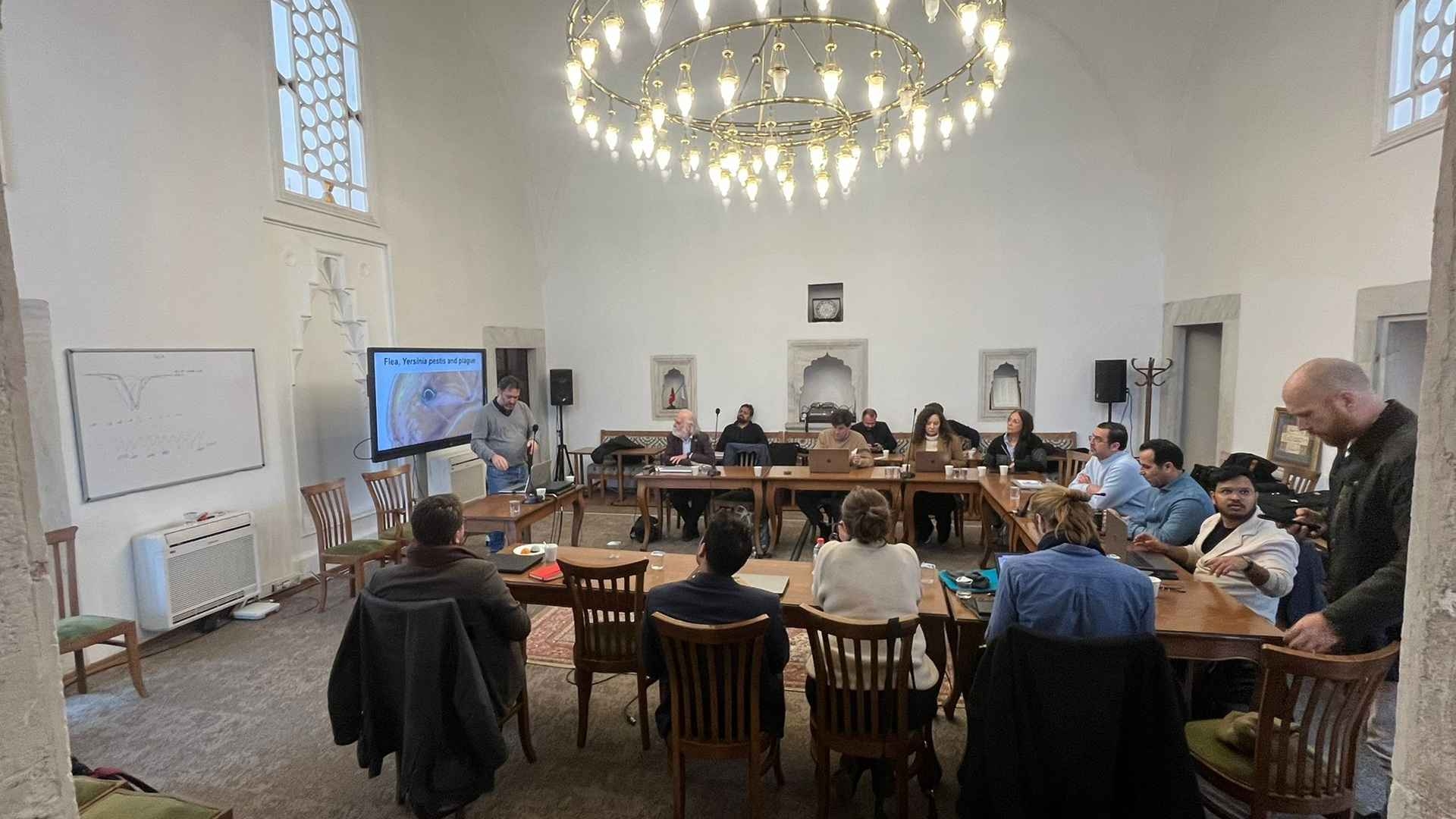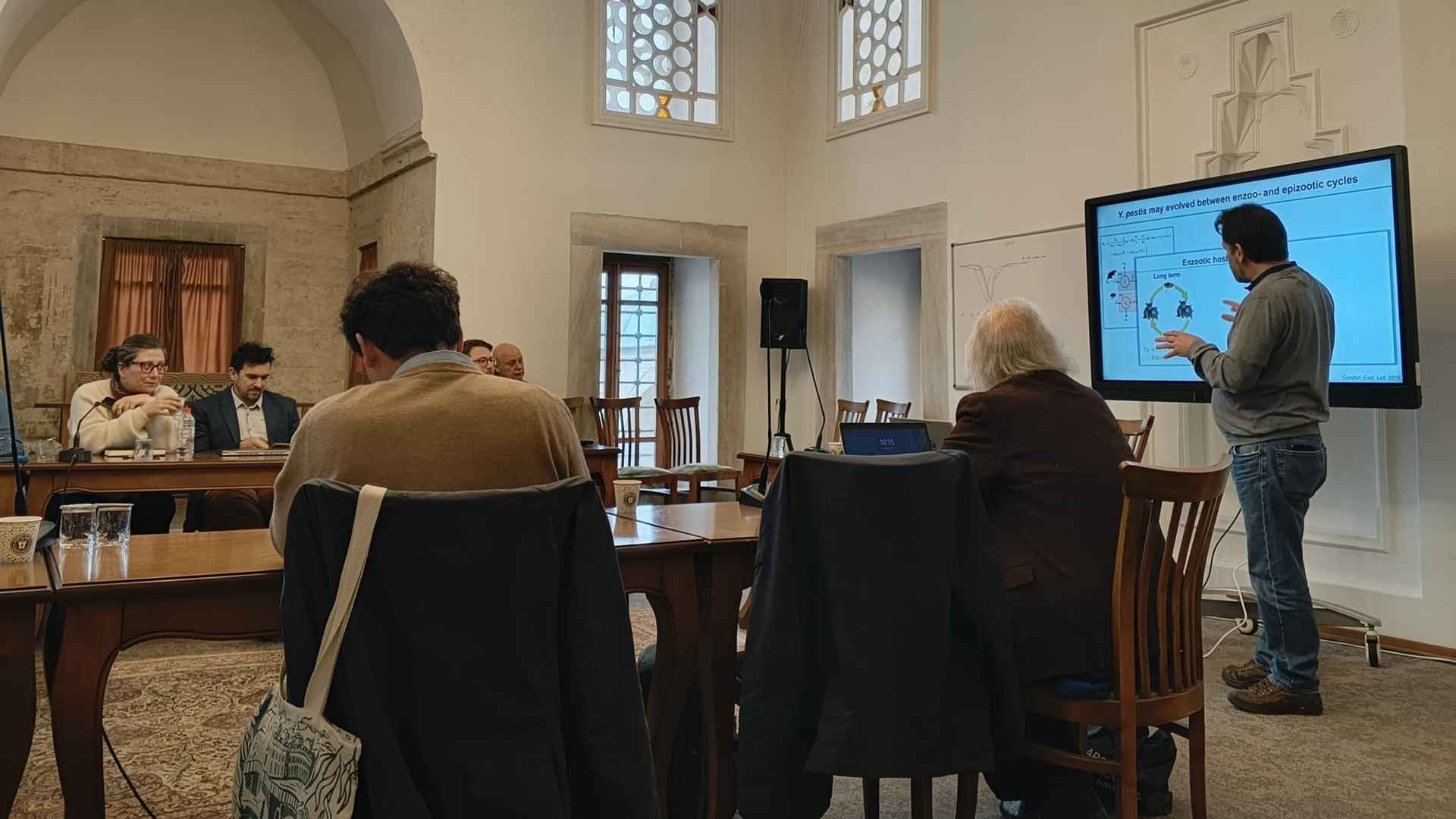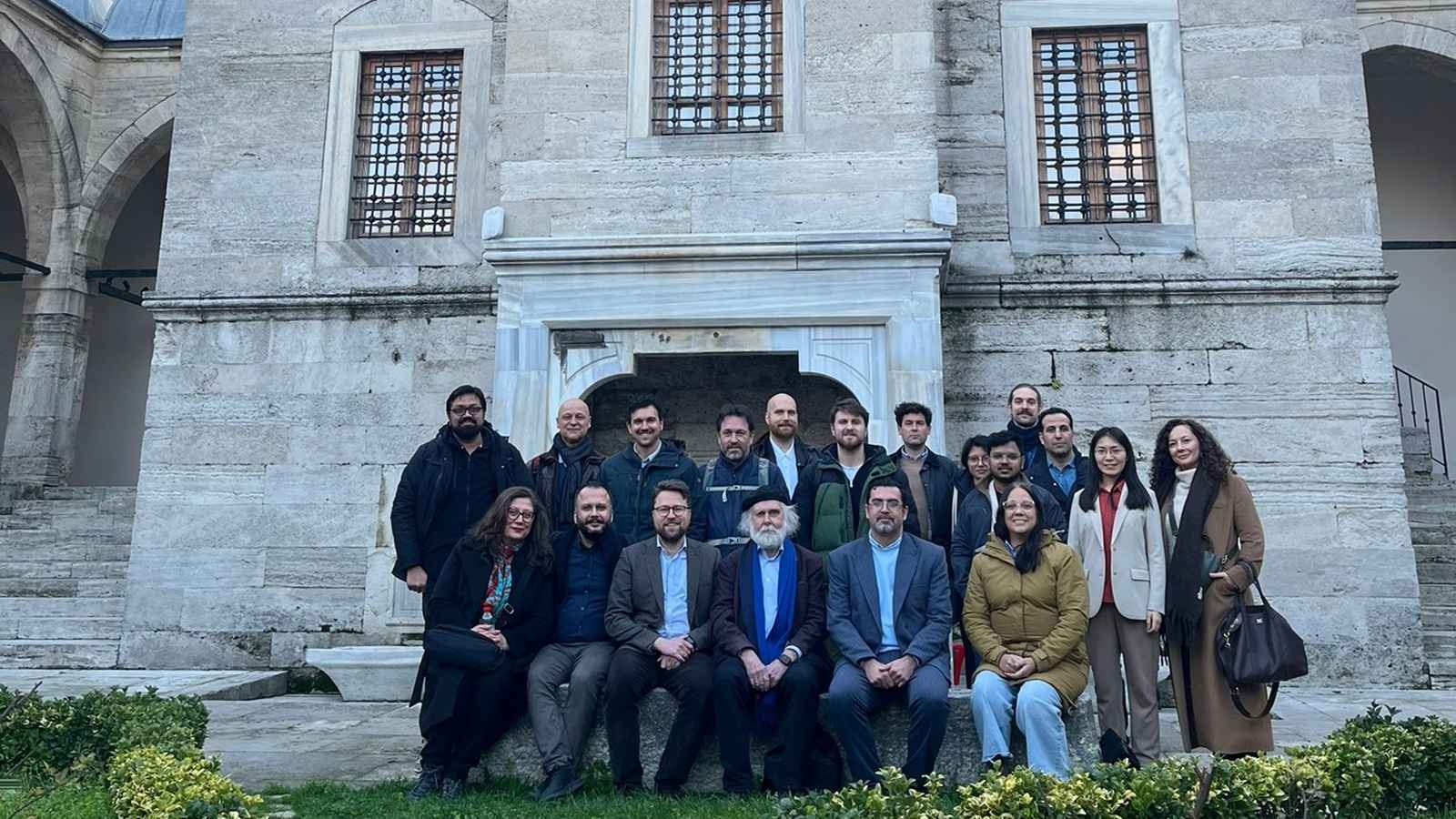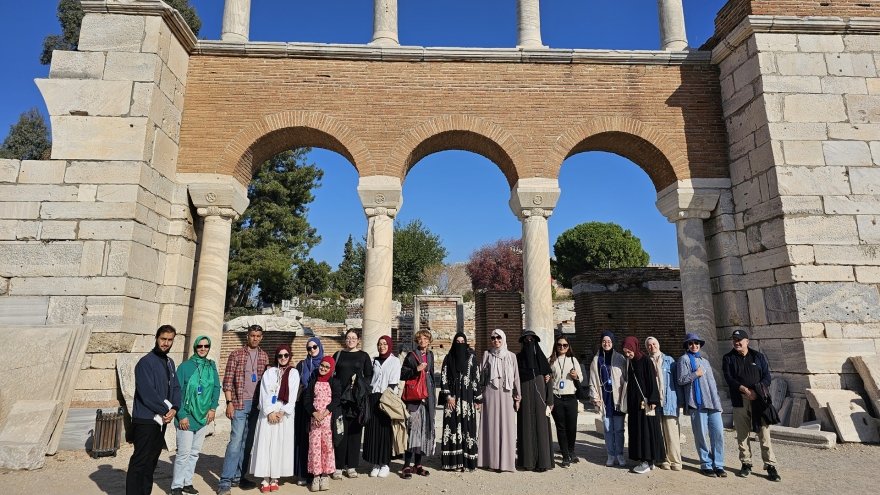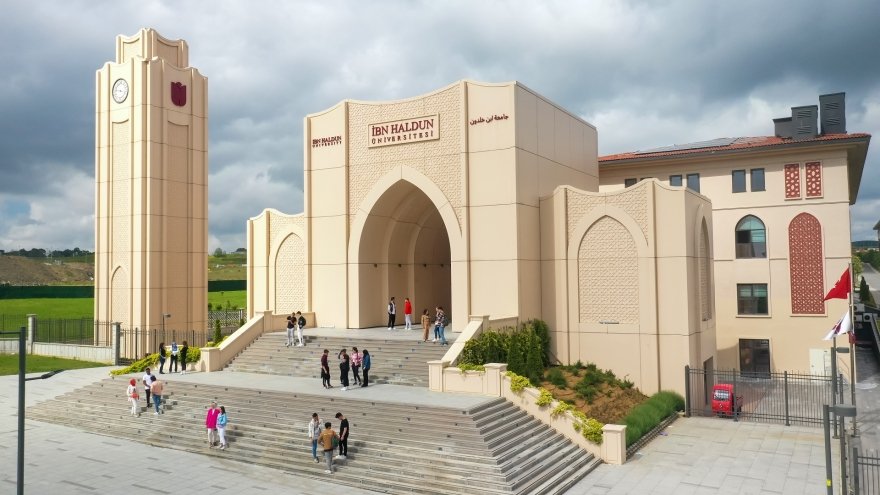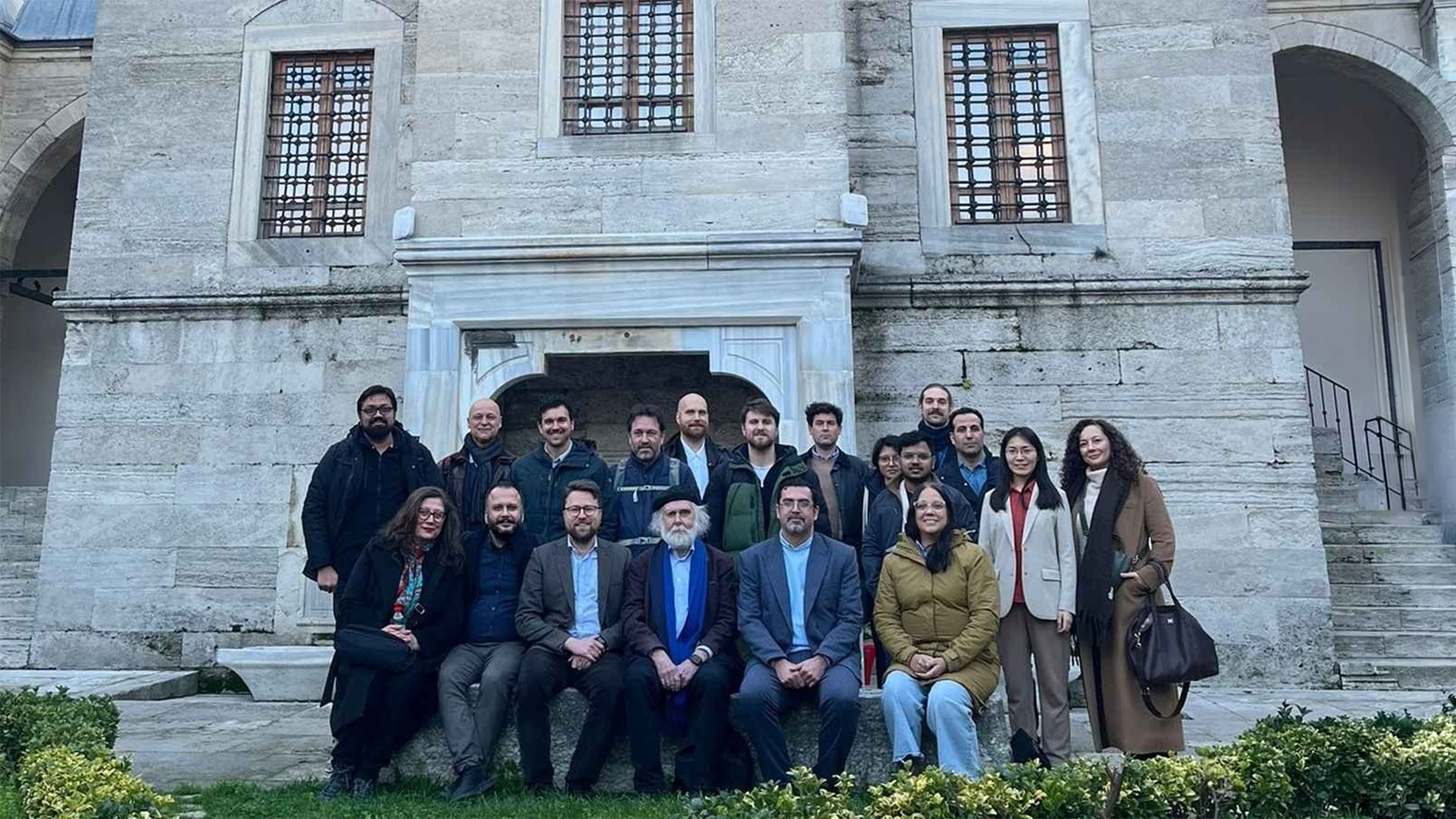
The “Plague in Southwestern Eurasia and the Mediterranean: Burrows, Reservoirs, Trade, Demographics and Epidemiology” interdiciplinary workshop took place on Wednesday, February 11, 2025, at the Salis Madrasa within the Süleymaniye Campus.
Jointly organized by the Synergy-Plague Project and the Ibn Haldun University Department of History, the event brought together more than twenty academics from diverse disciplines. Participants shared their ongoing research, methodological innovations, and preliminary findings, engaging in high-level interactive feedback in an intimate academic setting.
The workshop, conducted as part of the ongoing activities of the Synergy-Plague Project funded by the Horizon Europe program, opened with keynote speeches by Nils Chr. Stenseth and Einar Wigen from the University of Oslo. The speakers outlined the objectives of the Synergy-Plague collaboration, emphasizing the importance of bridging the gap between natural sciences and historical research to better understand the long-term dynamics of “Yersinia pestis”.
Simon Plakolb from the University of Oslo presented his study on plague networks in the Ottoman world during the early modern period, focusing on mobility, trade routes, and intra-imperial connections as channels for disease spread.
Ahmed Mahmoudi from Urmia University and Saber Esmaeili from the Pasteur Institute of Iran shared their research on rodent reservoirs in Iran and emerging/re-emerging plague patterns in the 21st century, respectively.
Florent Sebbane from the Pasteur Institute of Lille discussed the microbiological interaction between fleas and Yersinia pestis and transmission mechanisms at the vector level. Meanwhile, Maria Müller Theissen from the University of Oslo strengthened the ecological dimension of the workshop by modeling the spatial dynamics of plague in wildlife reservoirs.
The afternoon session began with a presentation by Ulf Büntgen from the University of Cambridge, which addressed the role of climate-driven changes and the grain trade in the introduction of the Black Death to Medieval Europe. This was followed by presentations containing historical analyses; Einar Wigen from the University of Oslo and Alp Eren Topal from Ibn Haldun University evaluated the 1812 Istanbul epidemic within the urban, imperial, and geopolitical context of the Ottoman capital.
Mohammad Hossain from Ibn Haldun University examined Ottoman medical culture and the fight against the plague, analyzing how medical knowledge, religious discourse, and administrative measures intersected in the response to epidemic crises.
Following the coffee break, Bornali Das and Carlo Trombino from the University of Oslo presented their modeling studies on the 1878 Volga epidemic, demonstrating the contribution of computational approaches to illuminating historical outbreak patterns.
Joy Banik from the University of Oslo provided a demographic and social analysis of mortality rates by addressing gender and age factors in the Eyam plague. As the final speaker of the academic presentations, Chunfang Zhang, also from the University of Oslo, brought an environmental microbiology perspective to the discussion with her study examining nitrate enrichment in rodent burrows and its impact on microbial community formation and functional potential.
The workshop concluded with closing remarks by Nils Christian Stenseth and Einar Wigen, who evaluated the interdisciplinary gains of the day. The speakers emphasized that integrating ecology, climate science, microbiology, modeling, and historical analysis makes it possible to understand the course of plague dynamics across time and space more comprehensively.
Researchers participating in the event underlined that contemporary plague studies require a truly integrated Eurasian and Mediterranean framework, as well as a multi-disciplinary and multi-faceted approach.
The gathering at Ibn Haldun University was considered a significant step toward this goal.