International Workshop Titled “Long Tanzimat (1826–1876)” Held in Salis Madrasa

The international workshop entitled “The Long Tanzimat (1826–1876): From the Abolition of the Janissaries to the Kanun-ı Esasi”, organized under the leadership of Asst. Prof. Alp Eren Topal was held at the Salis Madrasa.
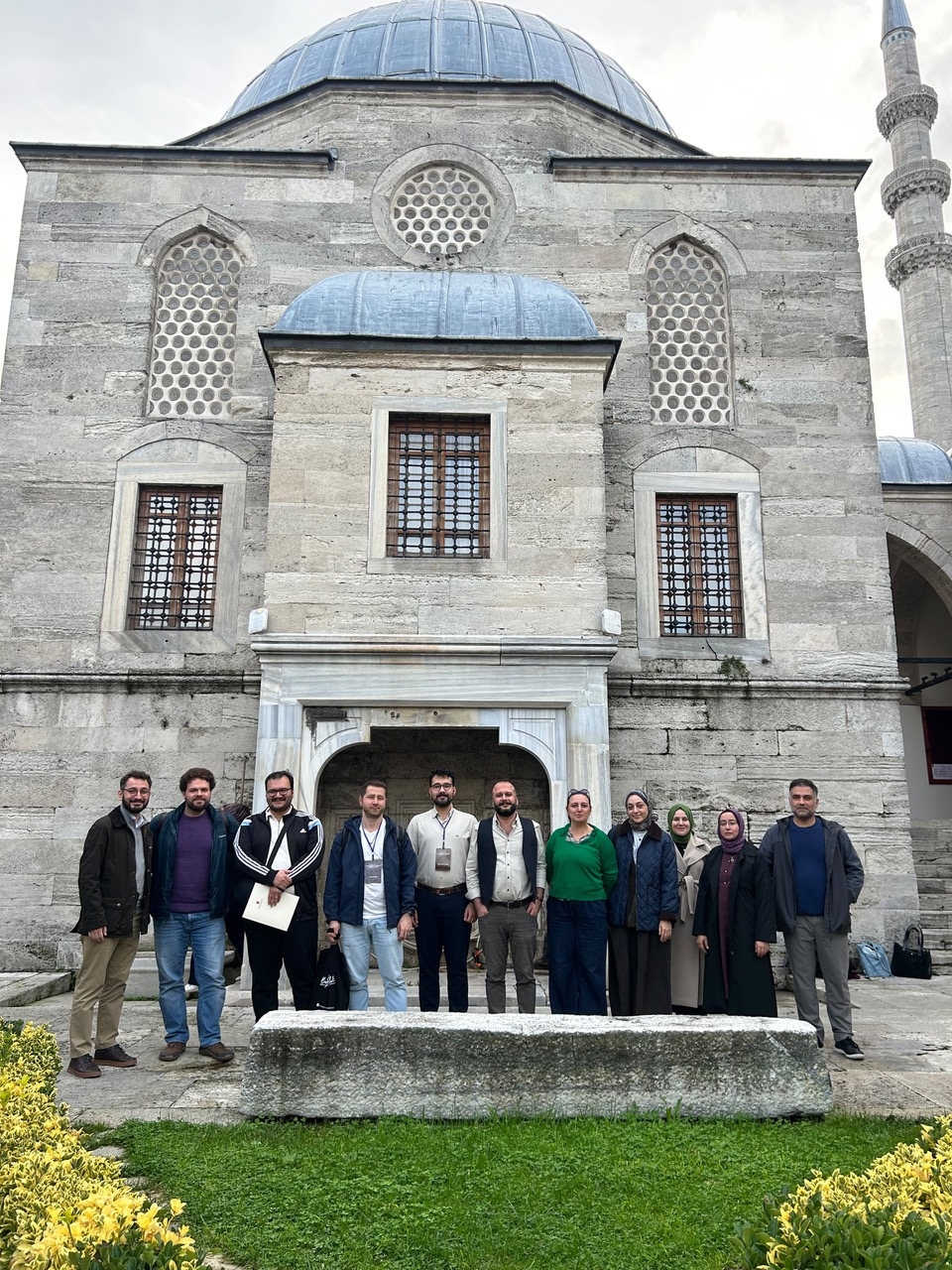
The international workshop entitled “The Long Tanzimat (1826–1876): From the Abolition of the Janissaries to the Kanun-ı Esasi”, organized under the leadership of Asst. Prof. Alp Eren Topal, faculty member of our Department of History, was held on 31 October–1 November 2026 at the Salis Madrasa, located on our university’s Süleymaniye Campus.
Bringing together scholars from Türkiye and abroad, the workshop aimed to examine nineteenth-century Ottoman history from various perspectives, focusing on its political, social, and conceptual transformations.
Ottoman Modernization and the Limits of Tanzimat
Based on the premise that the Tanzimat should be evaluated as a historically interconnected fifty-year period extending from the abolition of the Janissary Corps to the promulgation of the Ottoman Constitution (Kanun-ı Esasi), the event explored the scope and limits of the Tanzimat and its place in the broader context of Ottoman modernization.
Held over two days and comprising six sessions, the workshop opened with a keynote address by Alp Eren Topal entitled “The Tanzimat as a Historiographical Problem: Its Beginning, End, and Nature”. More than ten researchers delivered presentations across diverse topics during the sessions, including Seven Taştan’s “Tanzimatın Diplomatik-Politik Kökenleri”, Mohammad Hussain’s “Towards Setting Up the Nizâm-ı Sıhhat,” Sinan Çakır’s “Osmanlı İmparatorluğu’nun İlk Seçim Tecrübesi” and Faruk Yaslıçimen’s “Kanun-ı Esasi’nin Küresel Küresel Bir Hikayesi Var Mı?”.
The sessions addressed a wide range of topics, including the political and diplomatic foundations of the Tanzimat reforms, transformations in state institutions, religion-state relations, Ottoman political thought, literature, and constitutional developments.
Offering an opportunity to examine Ottoman modernization through the broader historical perspective of the period from 1826 to 1876, the workshop concluded as a productive scholarly gathering, providing a platform for the discussion of diverse academic approaches and the exchange of ideas among researchers.
Photos
Related Content
Ulaş Can Zorlu Has Been Accepted to the History (MA) program at Central European University
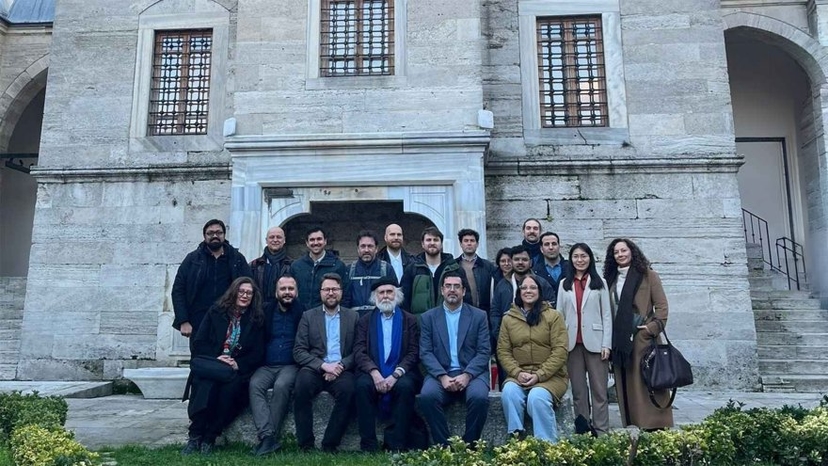
International Workshop on Titled “Plague in Southwestern Eurasia and the Mediterranean: Burrows, Reservoirs, Trade, Demographics and Epidemiology” Held at Our Süleymaniye Campus
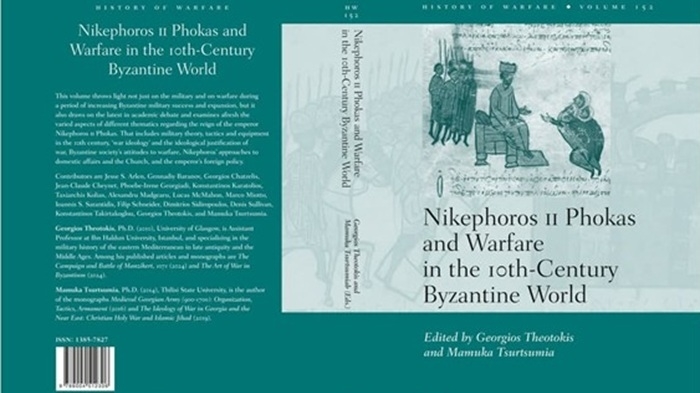
Giorgios Theotokis' New Book Published by Brill Publishing House
Two Graduates Accepted to Oxford University Master's Programmes
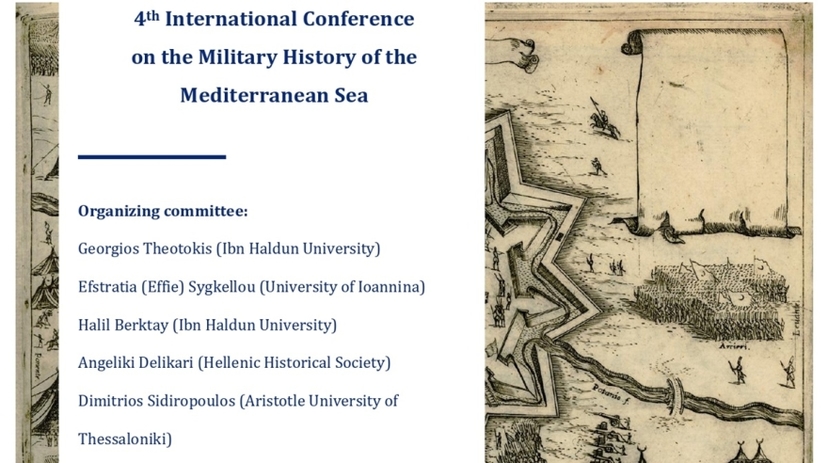
4th International Conference on the Military History of the Mediterranean Sea
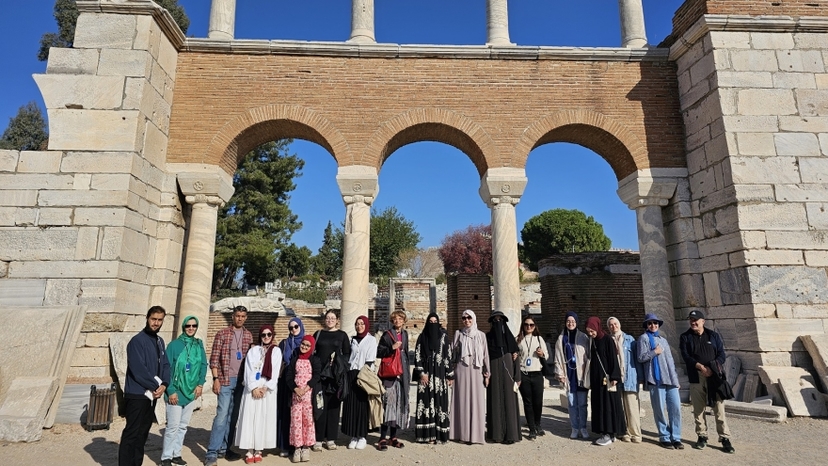
İzmir Ephesus and Pergamon Trip was Held Under the Guidance of Prof. Suraiya Faroqhi
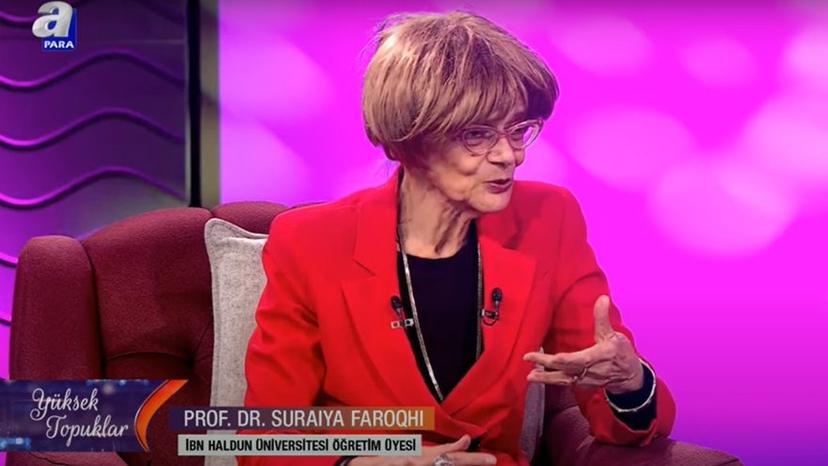
Suraiya Faroqhi Appeared Live On “A Para” TV Channel
Our New History Faculty Member: Associate Professor Günhan Börekçi